Caps and stacks

Metal caps and stacks for ventilation and exhaust systems.

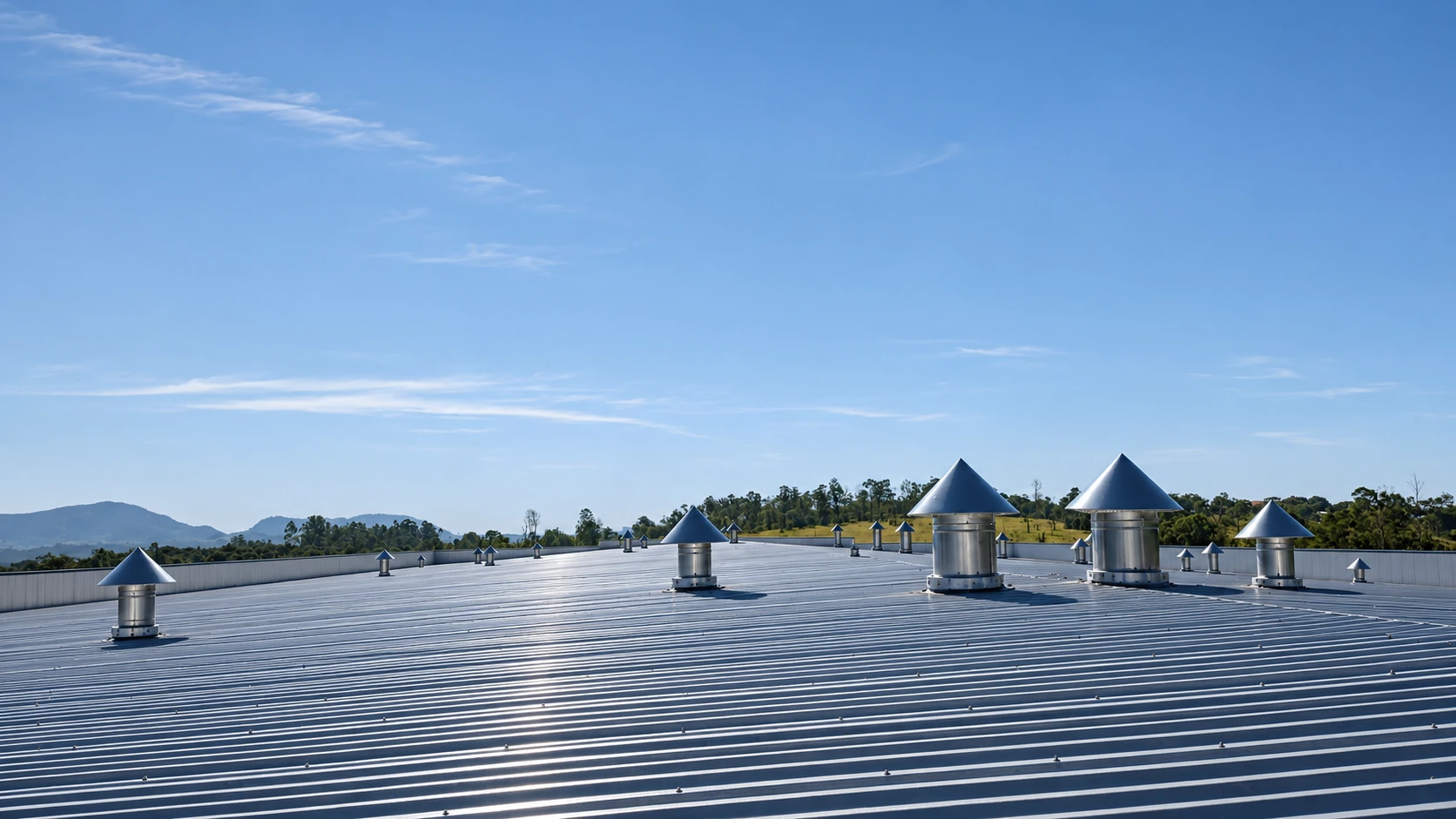
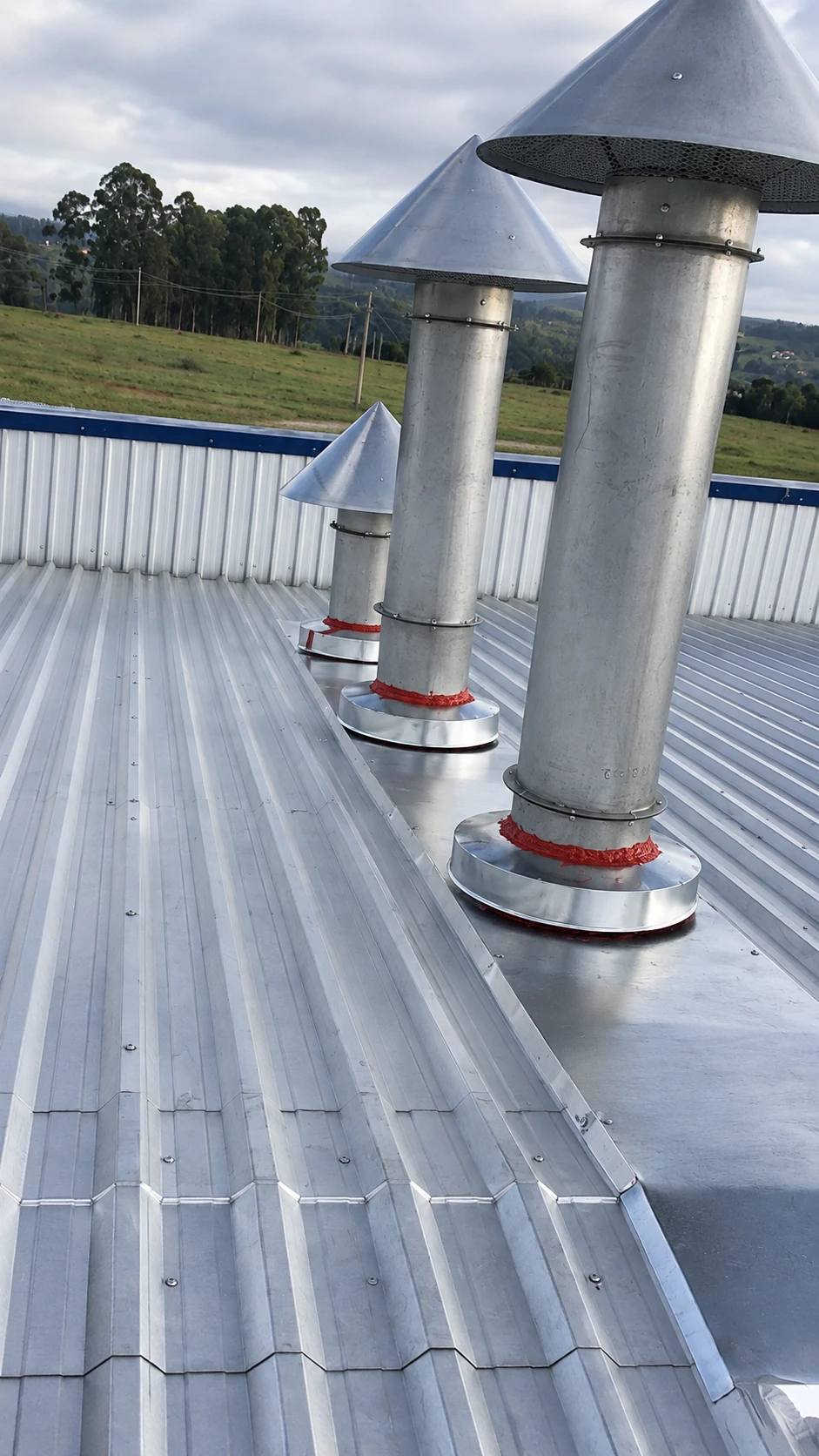
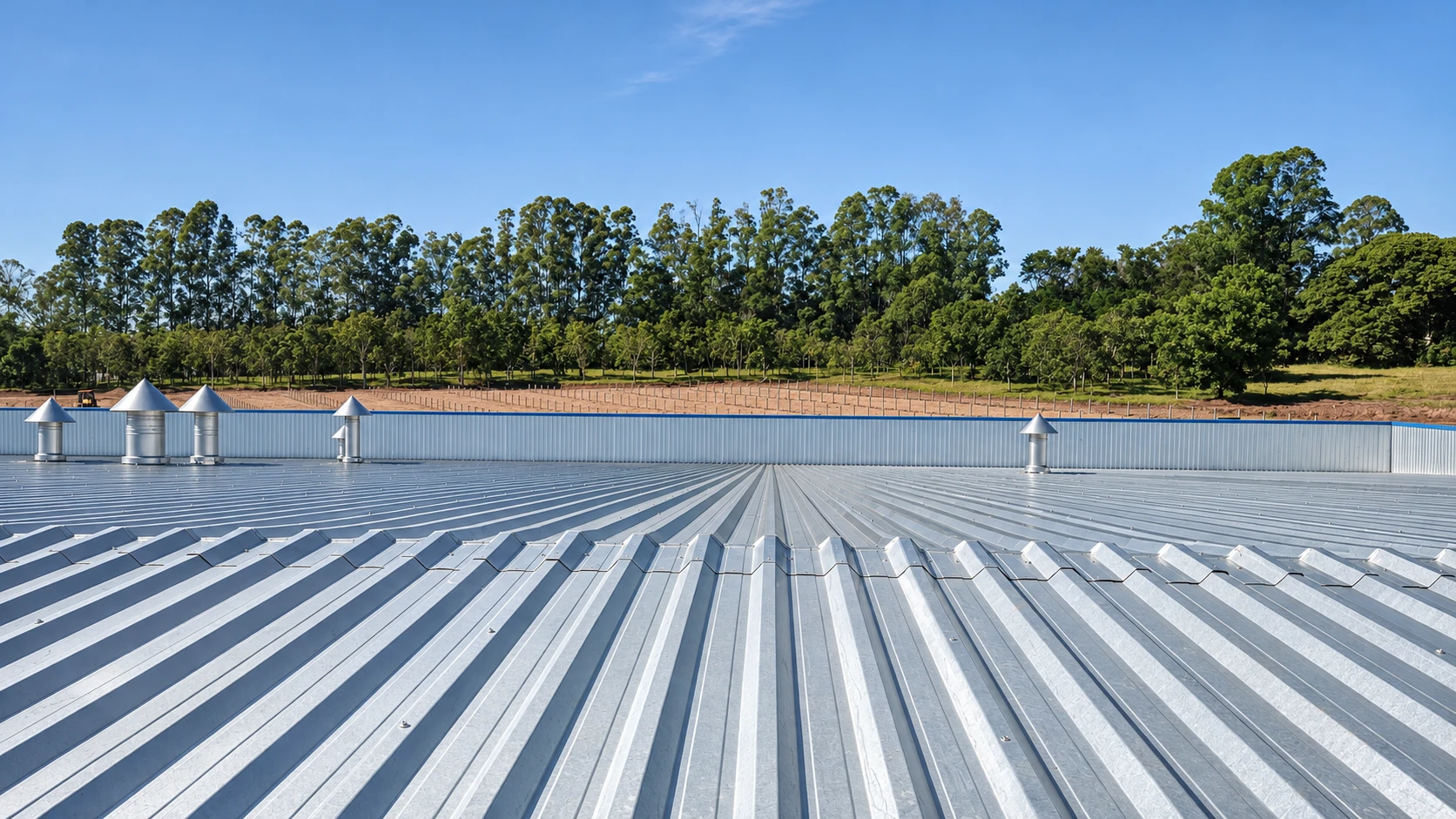
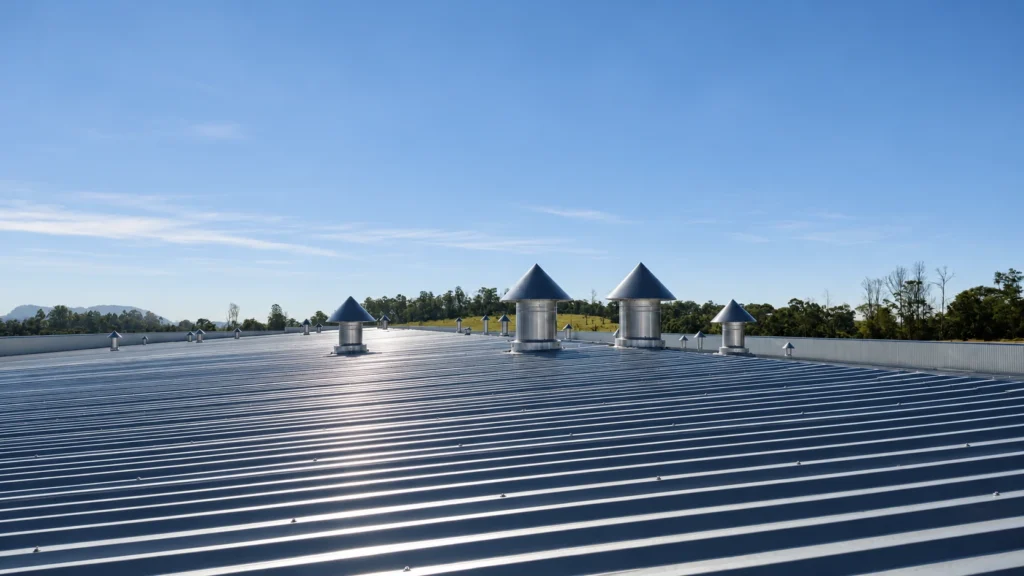
Conical caps and stacks on an industrial roof.Conical caps in industrial use

Stacks and terminals

The stack carries air or effluent to the discharge point. The cap or terminal defines the outlet configuration and can reduce direct entry of rain and debris. Selection must consider the operation of the entire system.

The range covers custom manufacture of metal bodies, terminals and interfaces. Geometry, material, thickness, joints and finish are defined in the drawing and supply proposal.

Compatible geometryRound or rectangular cross sections, with transitions to suit the ductwork.
Defined connectionsFlanges, spigot joints, gaskets and disassembly provisions included in the detailing.
Roof interfaceBases, flashings and collars compatible with the roof penetration.
Operating conditionsAirflow, pressure, temperature and effluent composition guide selection.

Models

Explore the models, view the available photos and request a quote.

Material, dimensions and availability are confirmed in the proposal.

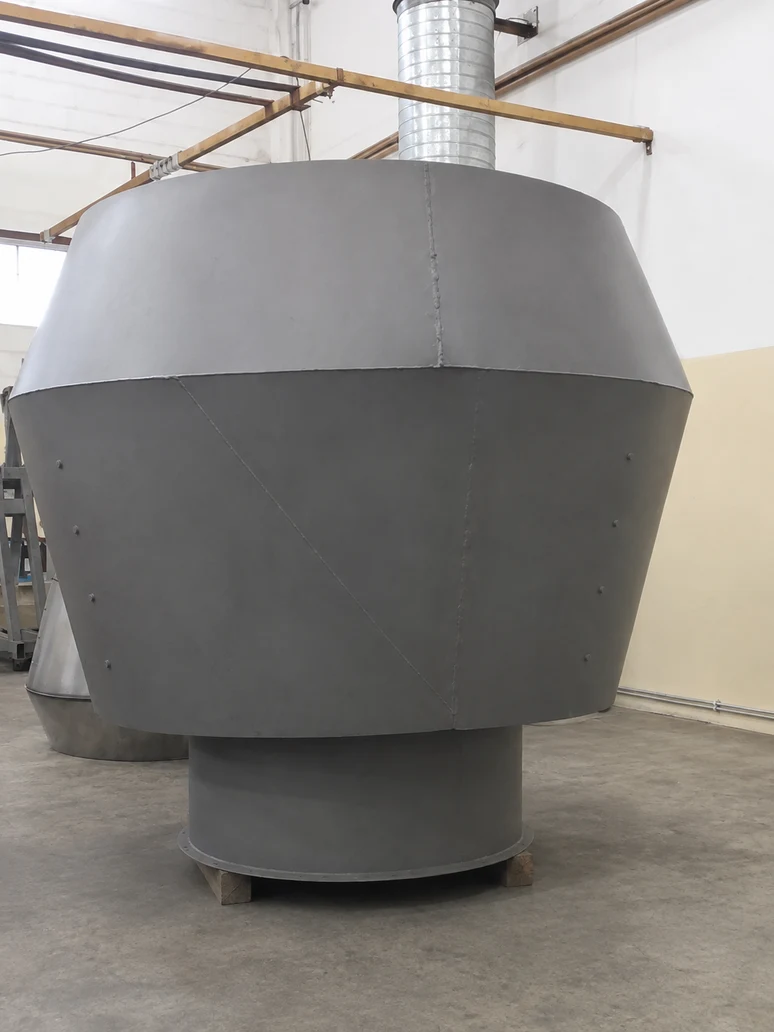
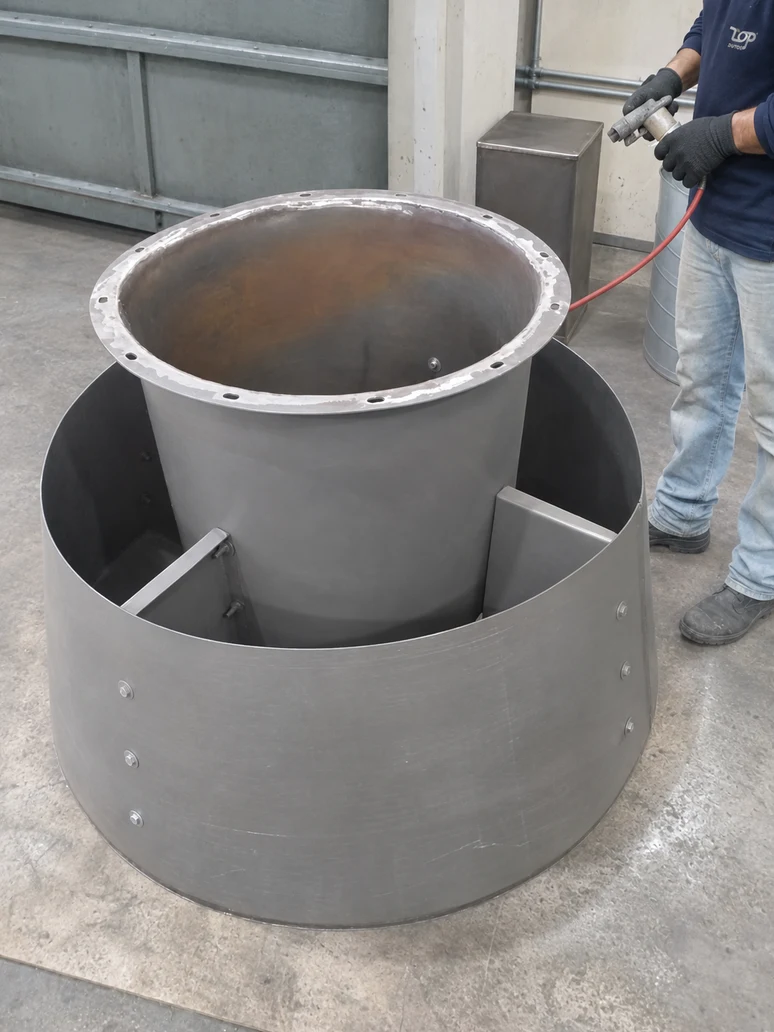
Chinese-style conical cap

Conical cover above a round outlet, with airflow around the perimeter.

ApplicationVertical outlets in ventilation and exhaust systems compatible with lateral discharge.

Specification details

Assess wind-driven rain and changes in airflow direction. The cone alone does not guarantee rain-tightness or adequate contaminant dispersion.
Request a quote
02

Mushroom cap

Low-profile cover above the tube, with air discharged around the perimeter.

ApplicationVertical ventilation terminals with lateral discharge beneath a cover.

Specification details

The term mushroom can also refer to rounded covers. Confirm the profile, clear opening and supports in the manufacturing drawing.

Request a quote
03

Rectangular cap

Cover over a rectangular base, with air discharged through the sides.

ApplicationRectangular ducts, boxes and terminals with project-defined dimensions.

Specification details

Check the clear area at the sides, cover reinforcement and maintenance access. The hood geometry affects resistance to airflow.

Request a quote
04

Cannon / Sputnik-style cowl

Fixed terminal with an outer body and baffles. The internal configuration is defined in the drawing.

ApplicationStack termination; use with combustion systems is subject to the equipment specification.

Specification details

Confirm the internal drawing, clear area and drainage. Similar outer shapes may have different airflow paths; do not infer performance from the trade name.

Request a quote
05

Round louvered cowl

Round terminal with overlapping rings or louvers and lateral air passages.

ApplicationRound ventilation and stack terminals, depending on the air or effluent conveyed.

Specification details

Louver spacing must meet clear-area and maintenance requirements. Assess wind-driven rain, residue buildup and pressure drop under operating conditions.

Request a quote
06

Rectangular louvered terminal

Assembly with a top cover and side louvers.

ApplicationAir intakes and ventilation relief outlets on roofs and technical structures.

Specification details

Consider effective free area, pressure drop and rain performance. Screens and louvers require inspection and cleaning; tested performance is specific to each model.

Request a quote
07

H-type terminal

Two vertical tubes joined by a horizontal section, with connection to the central duct.

ApplicationStacks with draft and wind exposure assessed for this configuration.

Specification details

It is not a universal solution to smoke backflow. Check draft, rain, drainage, cleaning and compatibility with the stack and equipment.

Request a quote
08

Dutch-style cowl

Terminal with an expanded central body and an upper tubular outlet.

ApplicationOutdoor termination with geometry and compatibility defined for the system.

Specification details

Proportions and internal construction vary. Define the drawing, air passage and water path; the name Dutch-style alone does not specify the component.

Request a quote

German-style cowl

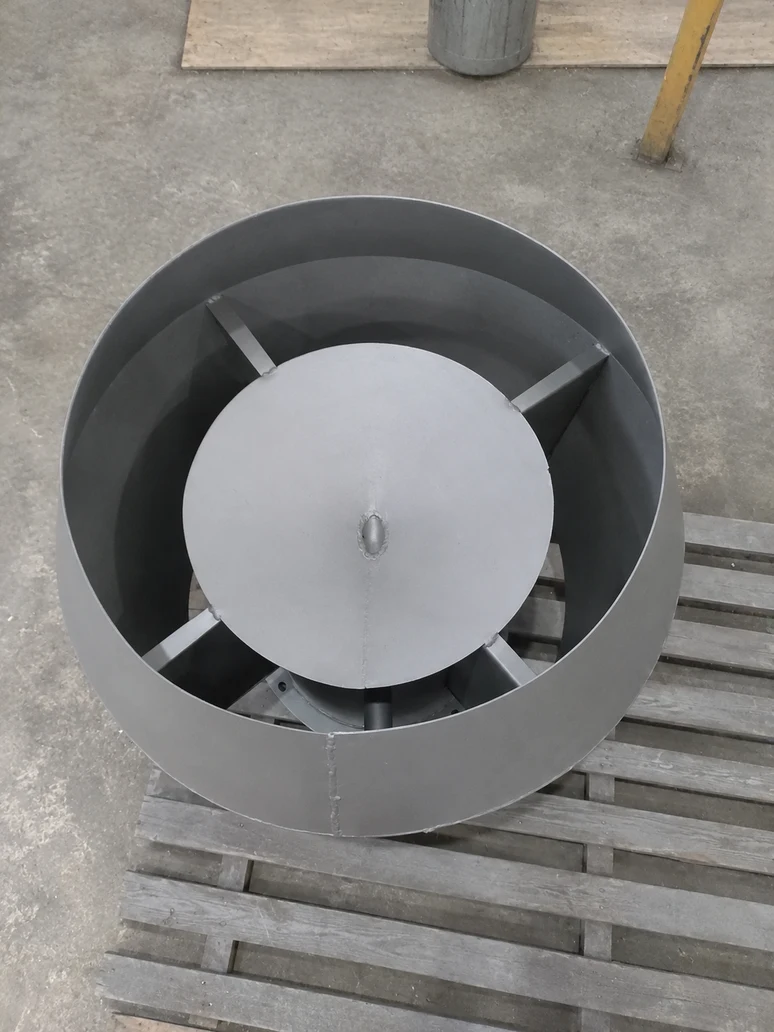
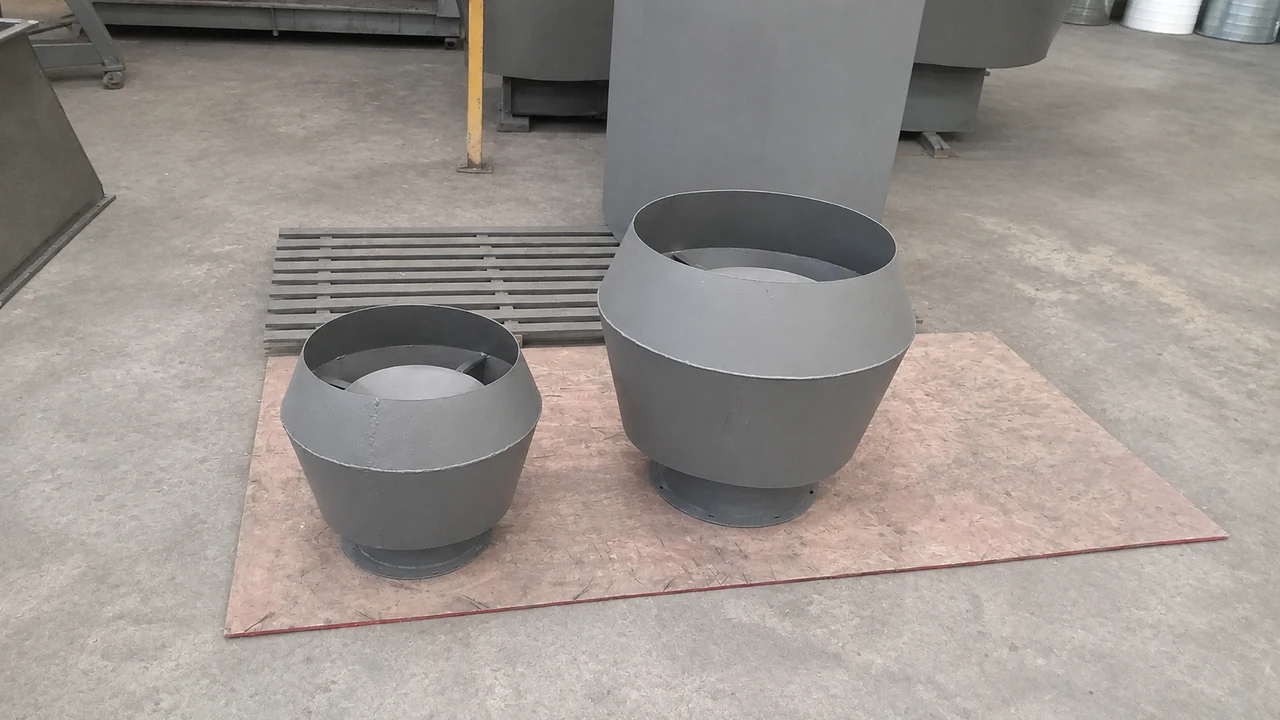
Round body formed from conical sections, with an internal baffle and a lower connection.

ApplicationVentilation and exhaust duct termination, according to the conditions defined for the system.

Specification details

Specify connection diameter, body dimensions, material, thickness, finish and hole pattern. Free flow area, discharge location and drainage requirements must be defined by the designer.

Request a quote
10

Chinese-style conical cap with elbow

Conical cap with an elbow for a horizontal connection and vertical outlet.

ApplicationOutlets with a horizontal connection and a vertical termination beneath a cap.

Specification details

Consider elbow pressure loss, assembly supports and discharge location relative to windows and air intakes.

Request a quote
11

T-type / tee terminal

Transverse terminal with a central connection and discharge at both ends.

ApplicationStacks and wall outlets compatible with the terminal configuration.

Specification details

The terminal is not a simple pipe tee. For gas appliances, use only the model, position and conditions permitted by the equipment manufacturer.

Request a quote
12

Gooseneck

Curved terminal with a downward-facing opening.

ApplicationAir intakes and ventilation outlets that allow a downward-facing opening.

Specification details

Orientation must suit the fluid and location. For contaminated exhaust, directing the jet downward may encourage recirculation into the surrounding area.

Request a quote
13

Duckbill terminal

Tubular section with an obliquely cut opening. A screen may be fitted where the application allows and its free area is taken into account.

ApplicationOutdoor air intakes and outlets with opening orientation defined in the design.

Specification details

The opening direction affects exposure to rain and wind. Assess location, drainage and the need for a screen; a screen does not replace a properly sized terminal.

Request a quote
14

Unobstructed vertical discharge

Open termination discharging vertically upward.

ApplicationExhaust applications where the design prioritizes upward discharge and dispersion.

Specification details

Height, outlet velocity and surroundings must be assessed together. Provide for rain, condensate and periods when the system is off.

Request a quote
15

Vertical terminal with water collection

Terminal with a vertical outlet, internal water collector and drainage.

ApplicationUpward outlet with rain managed by a collector and drainage specified in the design.

Specification details

The collector must not restrict the passage. Size the effective area, drainage, cleaning provisions and materials for the operating conditions; define dimensions in the design.

Request a quote
Outlet configuration makes a difference. For exhaust containing contaminants, vertical discharge and dispersion require a specific assessment. Caps that redirect the jet must not be selected solely for appearance or rain protection. Technical references.

Application photos

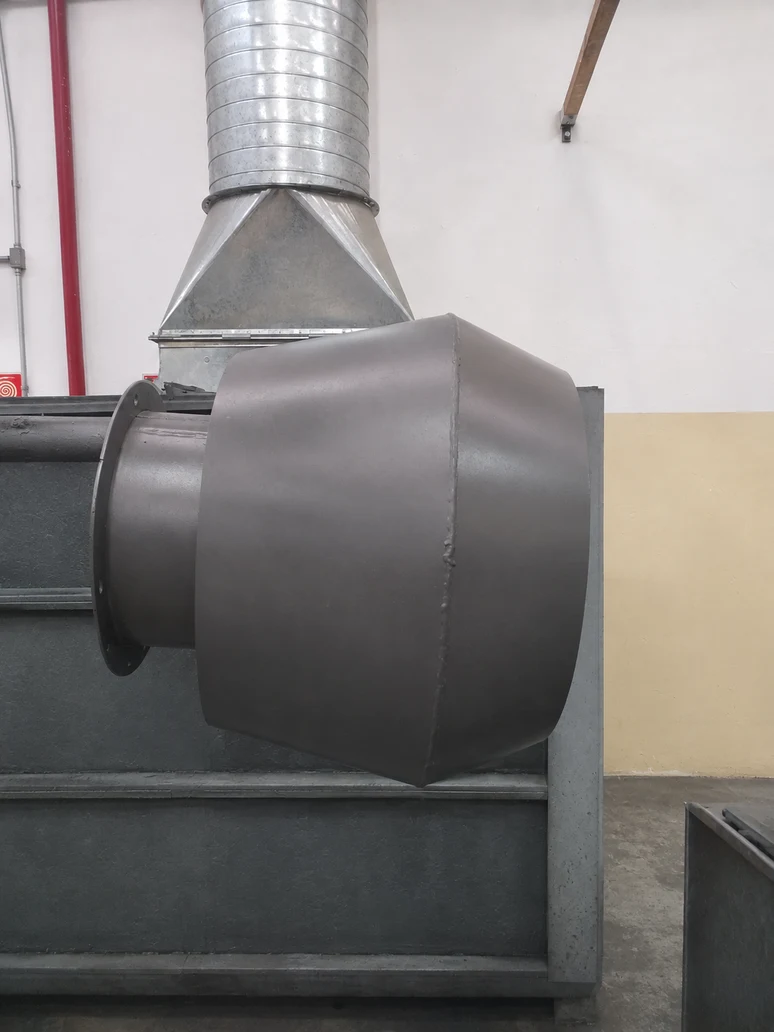
General views of terminals and details of stacks with conical caps, connections and bases.

View 3 photos

Information for a quote

Operation and environment

  • Application, design airflow and available pressure.
  • Operating temperatures and possible peaks.
  • Presence of moisture, condensate, particles, grease or corrosive agents.
  • Operating schedule and drainage requirements.
  • Locations of air intakes, neighboring buildings and exposure conditions.

Construction and installation

  • Diameter or cross section, height, routing and number of components.
  • Material, thickness, finish and insulation requirements.
  • Terminal type, connections, hole pattern and inspection points.
  • Roof profile and slope; planned bases, flashings and supports.
  • Drawings, project city, delivery sequence and required date.
Material and construction are design choices. Galvanized steel, protected carbon steel, stainless steel or aluminum must be assessed according to temperature, corrosiveness and process. Single-wall construction, insulation and external protection also require specific definition. Availability of each solution is confirmed in the proposal.

Frequently asked questions

Does a cap increase exhaust airflow?

A static terminal has no fan. Its shape offers resistance to airflow; airflow results from the complete system, the pressure difference and, where present, the fan. The free area, screen and airflow path must be included in the assessment.

What is the correct stack height?

No single height is valid for every project. Selection considers airflow, outlet velocity, contaminants, wind, roof, obstacles and air intakes. Requirements applicable to the process and installation location must also be observed.

Does a cap eliminate rain entry?

A cover reduces direct exposure, but wind-driven rain may reach the opening. Protection must be assessed together with geometry, drainage and conditions when the system is off. Flashing and roof-penetration sealing serve a different purpose from protecting the air outlet.

When should a protective screen be considered?

When compatible with the application and planned maintenance. Mesh reduces the free area and may collect dirt. Its use must be specifically assessed in processes involving grease, particles or other restrictions.

Is this solution suitable for combustion gases or kitchens?

These applications require their own specifications. Hot gases, corrosive condensates, grease and safety requirements affect materials, joints, insulation, cleaning and terminals. For professional kitchens, consider ABNT NBR 14518 and its applicable updates; choosing a cap does not demonstrate system compliance.

Let's define the assembly for your project

Send the drawing, operating conditions and quantities so we can assess the supply.

Discuss the project
Technical references consulted

Original editorial content. References guide the general criteria; the specifications and certifications of cited manufacturers are not attributed to this range.

Bob, the Top Dutos mascotYour guide here

Your guide at Top Dutos

Ready for the next step in your project?

I'm Bob. I can help you find products, answer questions and prepare your quote request.

Direct WhatsApp contact (opens in a new tab)

I'm here in the right-hand corner whenever you need me.

Your guide at Top Dutos

Hi, I'm Bob!

Bob, the Top Dutos mascot

How would you like to continue? Choose one of the three options below.

Direct WhatsApp contactContact our team on WhatsApp(opens in a new tab)

Virtual assistant

Connecting you to Bob…